For decades, Pakistan’s prisons have been under the spotlight for all the wrong reasons overcrowding, poor infrastructure, lack of basic rights, and an outdated view of prisoners as less than human. But in recent years, a shift is taking place. Punjab Prisons is emerging as a model of thoughtful reform, where the dignity and basic rights of prisoners are beginning to matter.
Dignity Behind Bars: Human Rights in Action
In Punjab today, prisons are no longer just spaces of confinement they are becoming places where human dignity is recognized, and where every inmate is treated as a person first, a prisoner second.
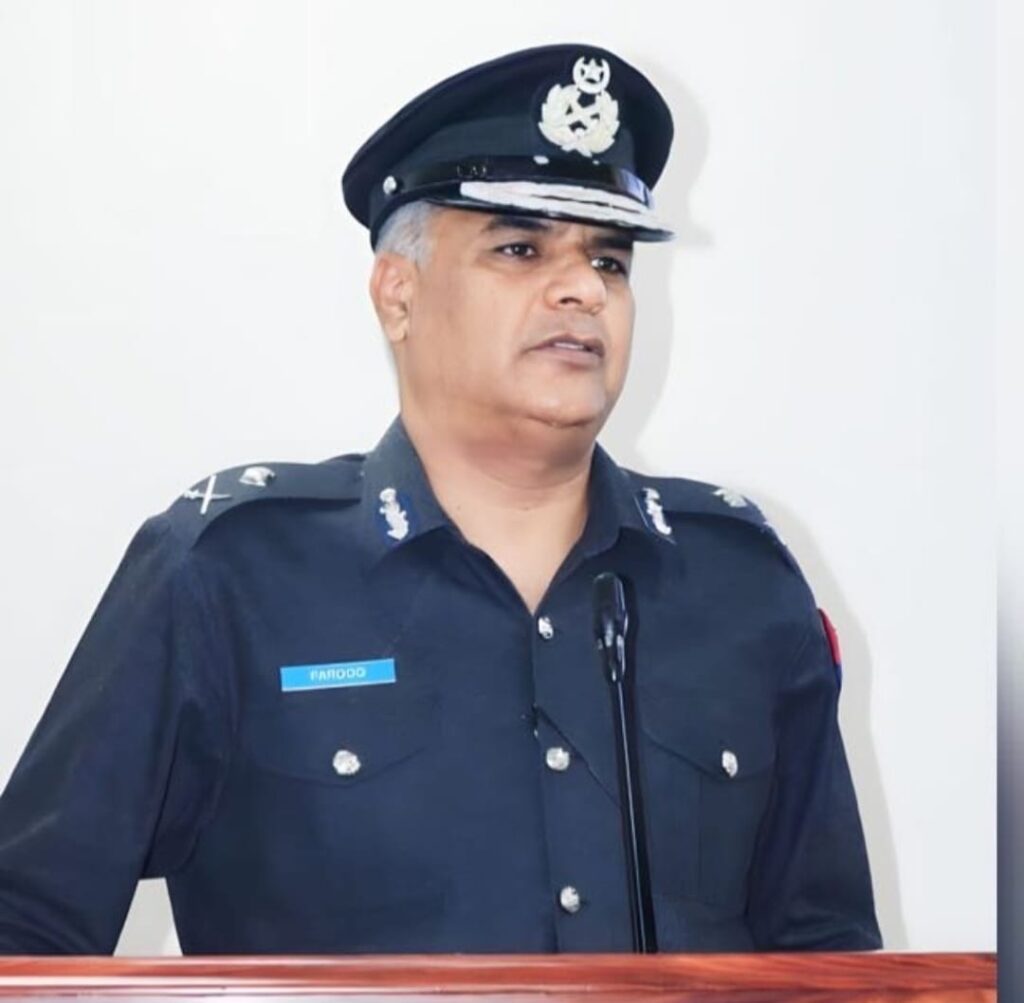
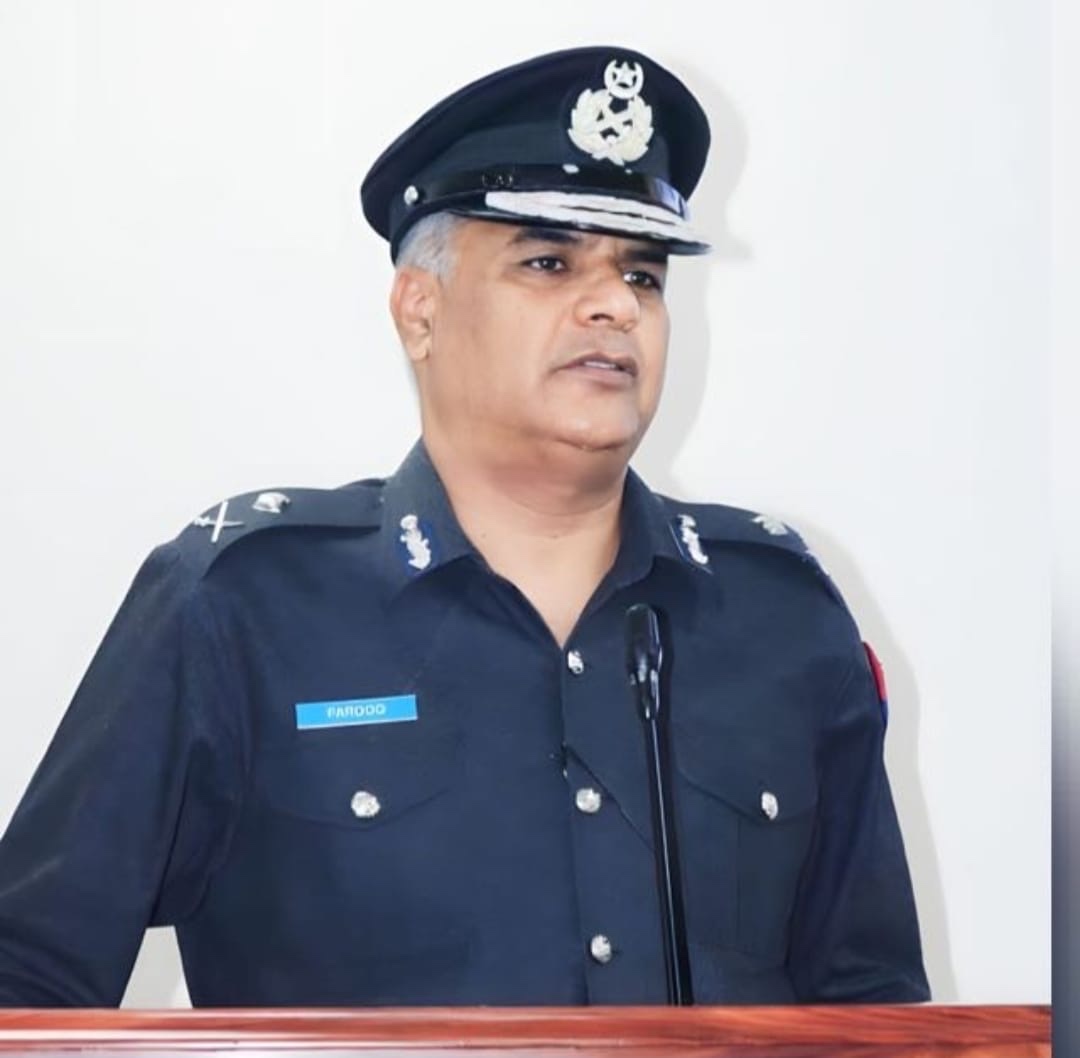
On the days when inmates are taken to court for hearings, they often spend long hours outside of jail custody, sometimes without proper access to food or water. Recognizing this under the direction of Inspector General Punjab Prisons, Mian Farooq Nazir, a new system has been introduced. Prisoners are now provided with freshly prepared, hygienic meals and clean drinking water when they leave the jail. Tiffin boxes and water bottles are handed to each inmate before departure, ensuring they are not left hungry or dehydrated during the long legal process.
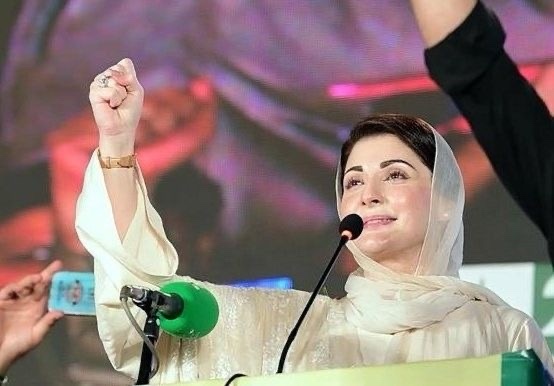
This initiative is being carried out under the supervision of Chief Minister Maryam Nawaz, and it aligns directly with her vision of a more humane, inclusive and rights based governance model. Her leadership has placed strong emphasis on modernizing public institutions and upholding the dignity of every citizen, including prisoners a segment often neglected in policy planning.
More Than a Meal A Statement of Values
At a glance, this may seem like a minor administrative improvement. But in truth, it is a powerful reflection of a deeper, humane philosophy that every individual, no matter their crime, deserves basic necessities and respect. In a society where prisoners are often invisible, neglected, or seen as deserving of harsh treatment, this small act of compassion marks a profound shift in mindset. It acknowledges the core belief that even those behind bars retain their fundamental human rights.
Punjab Prisons: Setting a National Example
These reforms make Punjab Prisons a potential blueprint for other provinces in Pakistan. The current administration isn’t stopping at food and water. The broader agenda includes improvements in:
Healthcare services for inmates Access to education and vocational training Mental health counseling Faster access to justice with such developments, Punjab’s prison system is slowly being reimagined not as a tool of punishment alone, but as a center for rehabilitation and reintegration.
Can the Rest of Pakistan Follow?
While these reforms in Punjab are a positive sign, the question remains:
- Will other provinces adopt the same humane approach?
- Will the federal government recognize the importance of prisoner dignity nationwide?
Pakistan’s broader prison system still faces many challenges overcrowding, underfunding, outdated laws but Punjab’s example, under Maryam Nawaz’s reform-focused leadership shows that change is not only possible it’s practical. Reform Isn’t Optional It’s a National need Providing food and water to prisoners may seem like a small gesture, but it represents a moral awakening in our institutions. It aligns with both human rights values and Islamic teachings which emphasize justice, compassion, and dignity for all including those who have erred.
This reform is not just a policy move, it is a national necessity. If we are to build a just, peaceful, and civilized society. Our prison system must evolve from punishment focused to rehabilitation centered.
Conclusion:
The recent reforms in Punjab Prisons reflect a growing understanding that justice does not end at the courtroom door it must follow people even behind bars. Providing food and water to court-bound prisoners is just the beginning. It’s a sign that the state recognizes the humanity in every individual, no matter their circumstances. This is not just about Punjab. It’s about the future of Pakistan’s justice system. A fair society is not measured by how it treats its powerful it is measured by how it treats its most vulnerable, including prisoners. Under the forward-thinking leadership of Chief Minister Maryam Nawaz, Punjab is setting the tone. Now it’s time for the rest of Pakistan to follow.